Why your hair puffs up by lunchtime in Singapore
You smooth your hair before work, step outside, and the flyaways are back by lunch. That does not mean your shampoo failed. In Singapore, the air gives a fresh blow-dry a difficult job.
What humid air does to hair
Hair gets part of its shape and stiffness from bonds inside the fibre. Water-accessible hydrogen bonds are among them. A peer-reviewed review of hair chemistry found that increasing moisture disrupts the contribution of those bonds and reduces the fibre's stiffness. In plain language, humid air lets hair move away from the shape you dried it into.
Porous or damaged hair often reacts more visibly because it takes up moisture unevenly. The result can be swelling, roughness, flyaways, or a return to your natural wave. Different hair types respond differently, so humidity can make one person's hair frizz while another person's goes flat.
Singapore humidity versus Tokyo
Singapore's Meteorological Service puts mean annual relative humidity at about 82%, based on its current Changi climate normals. On dry afternoons it can fall to around 60%, but before sunrise it is commonly above 90%.
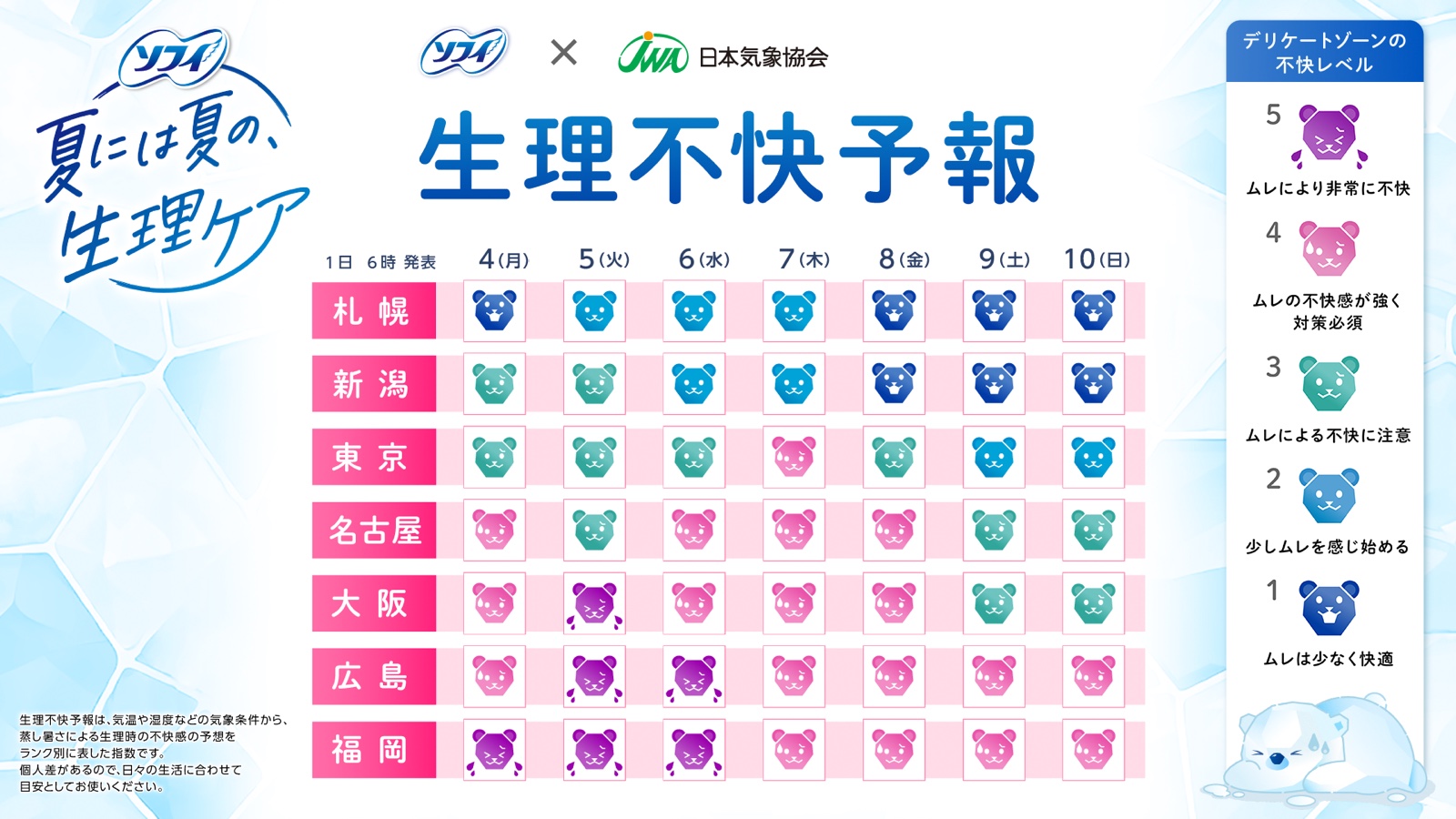
For comparison, the Japan Meteorological Agency's climate normals put Tokyo's mean relative humidity at 75% in June and 76% in July. Those are the months associated with Japan's rainy-season hair complaints. Singapore's year-round mean is higher than either figure, although daily conditions in both cities still vary.
What a leave-in can actually do
A leave-in cannot make humidity disappear. What it can do is coat and condition the hair so it changes less abruptly as the air changes. The useful routine is preventative: apply the right amount before the frizz has already arrived, then dry the hair fully.
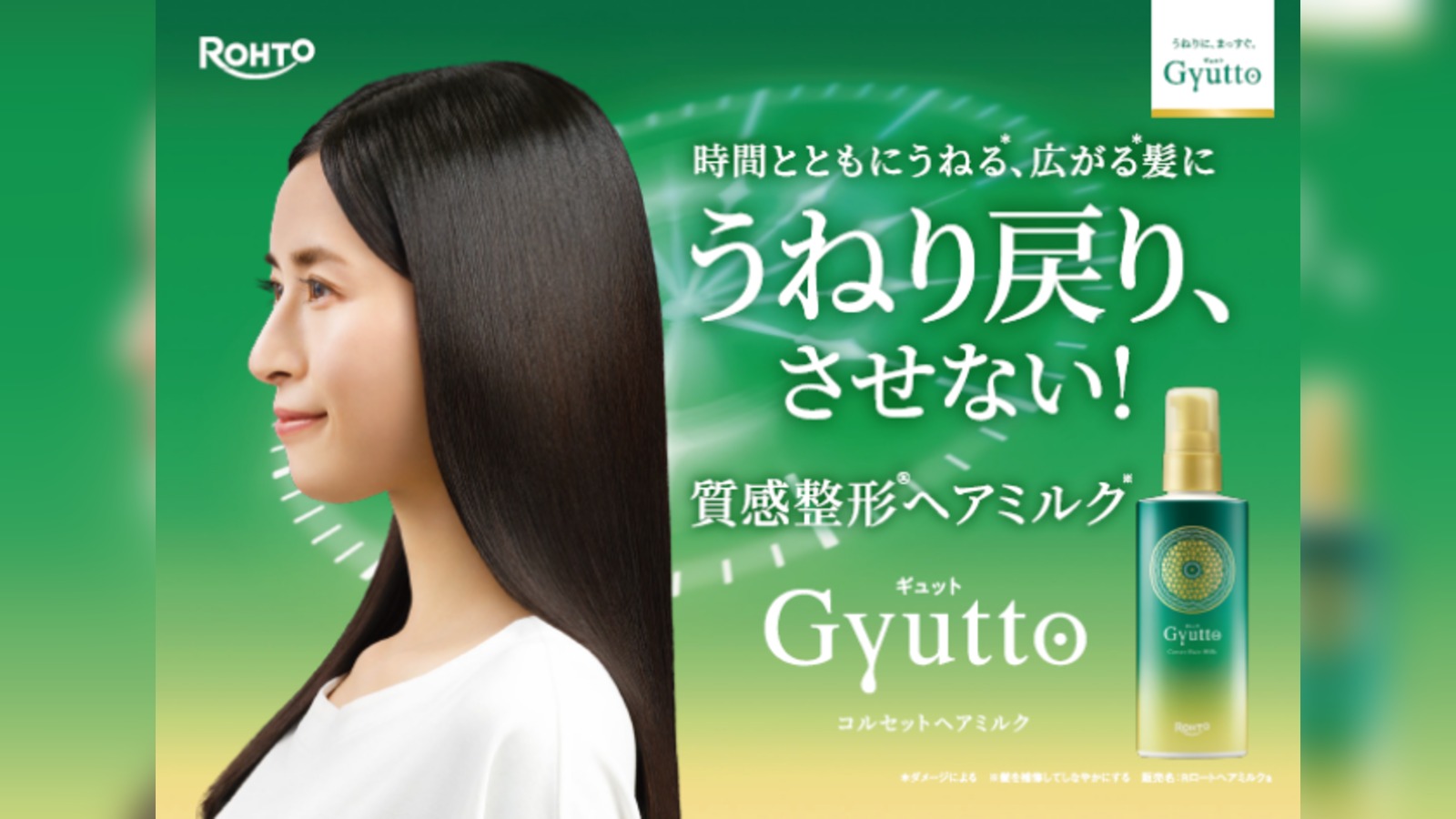
Rohto's new Gyutto Corset Hair Milk is built around that idea. Rohto says potassium hyaluronate and lactic acid work inside damaged hair, while PVP coats the surface. Those are the manufacturer's product claims, not proof that every hair type will get the same result.
Gyutto Corset Hair Milk
Rohto launched the 120g hair milk through Japanese online retailers on 23 June, with nationwide Japanese drugstore sales scheduled for 15 September.
Want us to check current sourcing and price from Japan? Message @bazumart with the exact product name. We will confirm availability before you commit.
How Rohto says to use it
After towel-drying, spread the milk through the hair and dry it thoroughly with a hair dryer. Rohto's guide suggests one to two pumps for short hair, two to three for medium-length hair, and three to four for long hair. It can also be used on dry hair in the morning or during the day.
Start with less if your hair is fine. More product is not automatically more protection, and too much can trade frizz for heaviness.
Why the product exists
Rohto calls the problem uneri-modori, or the return of waviness during the day. In the company's own survey, 82% of 160 women aged 30 to 60 with strong concerns about waviness said they noticed it returning during the day. Among 44 respondents already using an out-of-bath treatment for daytime waviness, 43% were satisfied. Those numbers explain Rohto's product brief, but they are a company survey, not an independent clinical trial.
The practical takeaway is simpler than the marketing: use a light leave-in before exposure, dry your hair fully, and judge the amount by how your own hair feels. Singapore's humidity is not a personal-care failure.
Sources: Meteorological Service Singapore climate data, Japan Meteorological Agency climate normals, International Journal of Cosmetic Science review of hair bonds, and Rohto's official Gyutto launch announcement.
Want this from Japan?
Tell us the item and we'll source it new in Japan and ship it to you.
Order on TG: @bazumartRead the personal care guide